On Creativity: Feeling vs Being
On Creativity: Feeling vs Being
A reflection on how creativity shows up quietly — in movement, in memory, in the way we notice the world.
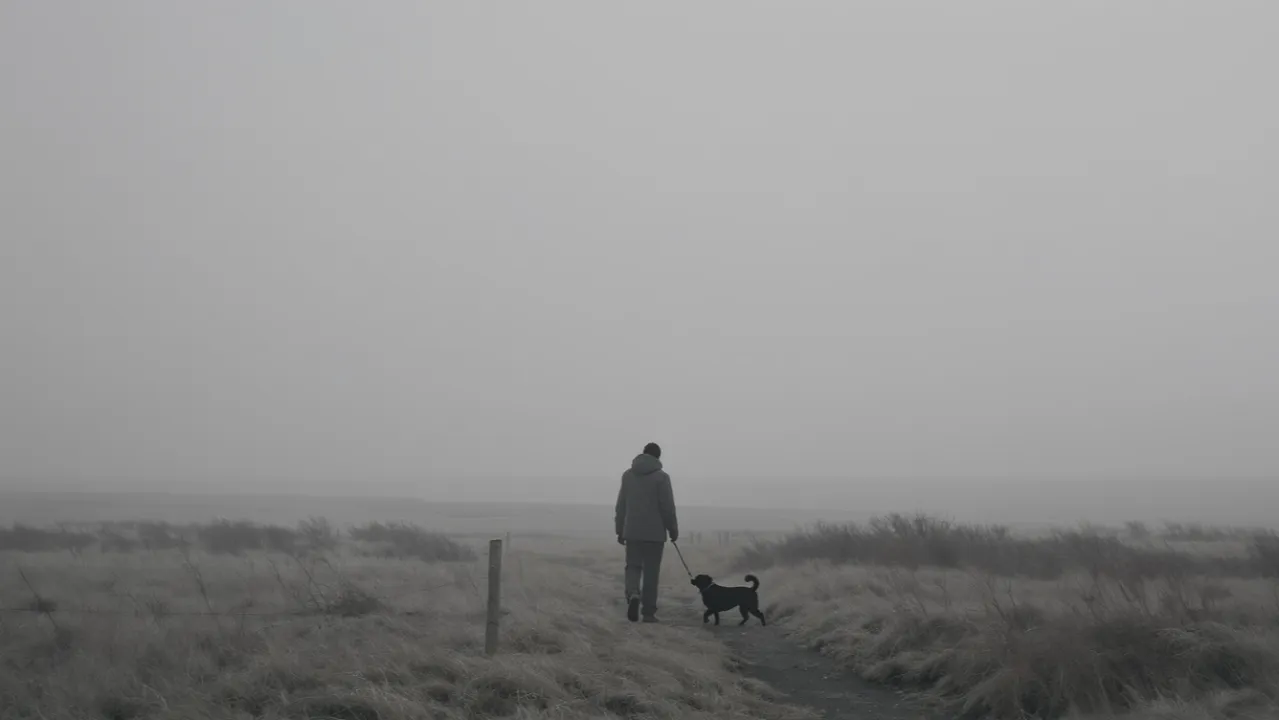
It started as a simple thought on a grey morning walk with Sien. No podcast, no music — just wind, leaves, and the hum of a work week waiting to begin.
Somewhere between the fields and my to-do list, a question surfaced: When was the last time I truly felt creative — not productive, not efficient, just creative?
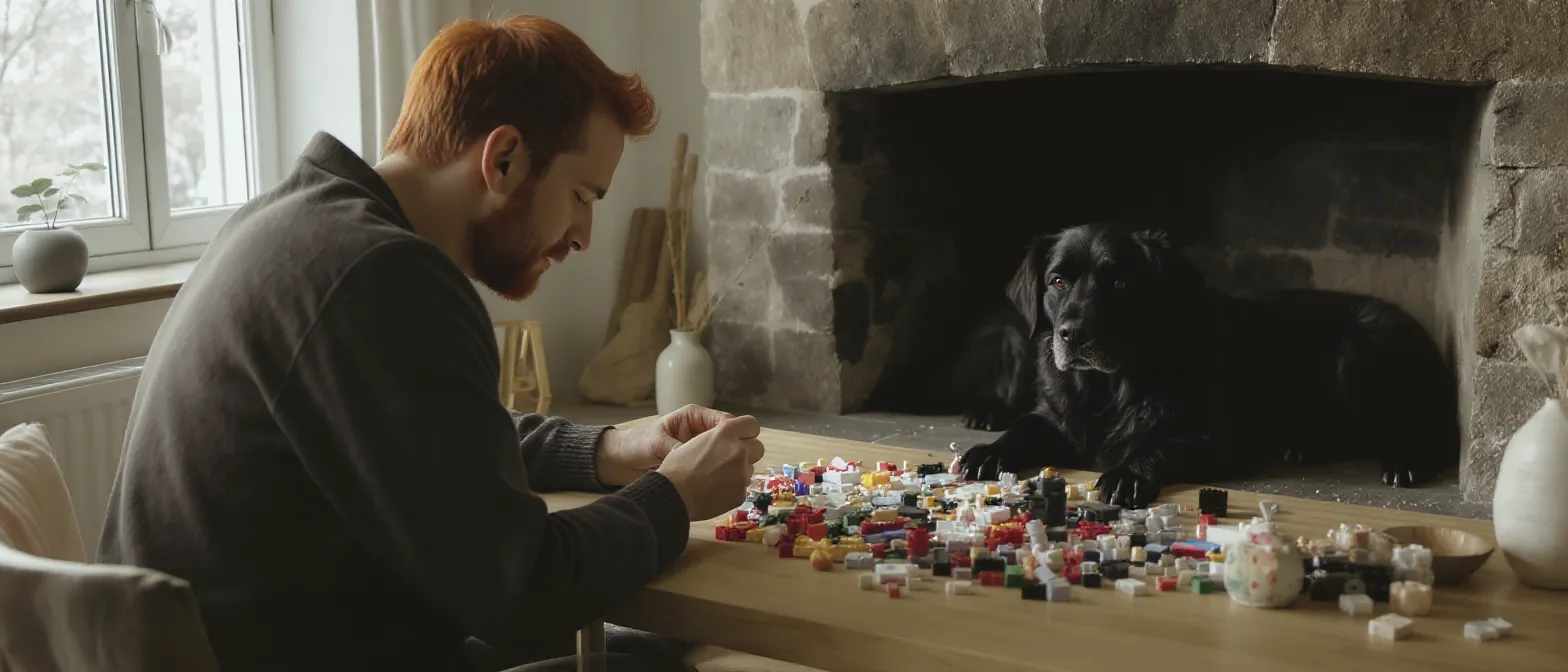
That thought pulled me back to a younger version of myself: kneeling on the carpet, surrounded by LEGO bricks, building something that existed nowhere else first. No plan, no pressure. Just building because it felt right.
And maybe that’s where this reflection began — with a small act of remembering what it means to feel creative long before you try to be creative.
Why this matters (to me — and maybe to you)
A few threads came together recently.
One was a conversation with Martin Kuipers, who once asked: “What was the thing you could do forever in your younger years?” For me, it was always building — not by the instructions, but by combining, testing, rebuilding, showing my parents what I’d made. That urge to build and share never left. It just learned to wear a suit, sit in meetings, and call itself “delivery.”
Another was my friend Lisa’s salon — an intimate gathering on creative health in regenerative workplaces. It wasn’t about productivity or frameworks. It was about time, attention, and how we let our human capacity emerge beyond efficiency. That evening lit a spark — the kind that doesn’t fade once you get home, but lingers the next morning on a quiet walk.
And then, there’s the science of it all. Studies show that people who move more — who walk, who stay physically active — also tend to engage more often in creative activities. The body and mind seem to dance in rhythm when we give them both some air.
But maybe the simplest truth is this: Feeling creative is valid, even when nothing tangible comes out of it. The mindset itself carries value.
Feeling vs Being
Here’s how I’ve come to see it.
- Feeling creative is openness — the willingness to wander mentally, to say “what if…” without a clear outcome.
- Being creative is when that openness takes form: cooking, sketching, gardening, coding — giving shape to the feeling.
If we think of creativity this way, it’s less about I must produce and more about I choose to reconnect.
Integrating creativity into daily life
Creativity isn’t something I switch on at work and off at home. It flows — sometimes obviously, sometimes quietly.
When I cook, it’s the same rhythm as LEGO: combining, experimenting, caring less about outcome, more about curiosity. When I decide how to spend my attention, I notice what drains and what gives energy — creative work often hides in that balance. When I build digital systems or guide teams, I still feel that same inner builder, rearranging blocks in new ways.
So perhaps “creative health” isn’t about finding time for art, but about giving ourselves permission to notice, to wander, to move with intention.
A gentle invitation
What if you allowed yourself to feel creative today — without needing to produce anything? Where might curiosity lead if you stopped measuring its output?
Maybe creativity lives in the way we make coffee, take a walk, or choose words in an email. Maybe feeling creative is already enough — the rest follows when it’s ready.
So I’ll keep walking. And building. And noticing. That’s where I tend to find myself again. 🌈
Read More & Background
- Creativity is not about what you do, it’s about a mindset
- Being Creative Makes You Happier: The Positive Effect of Creativity on Subjective Well-Being
- How and why does creativity support well-being? New learnings
- Habitual physical activity is related to more creative ideation
- The flow state: the science of the elusive creative mindset