
My first Star Wars memory is snow. Broadcast TV, me on the couch, the Battle of Hoth coming through the living room like a cold draught. The walkers were great, but what stayed with me was the bit after, Luke in a swamp on Dagobah being told by a small green man that he wasn’t ready.
He had the lightsaber already. What he didn’t have was any idea how to use it without hurting himself, and the whole middle of that film is someone patiently teaching him that, mostly by letting him fail.
I think about that a lot at the moment, because everyone just got handed a lightsaber. Claude, ChatGPT, Copilot, whatever’s in your browser tab: tools that turn “no idea” into a first draft in seconds. Owning one doesn’t make you a Jedi, and I wrote about that last year. What I skipped over then is the part I care about most, which is Yoda.
The apprentice work is gone
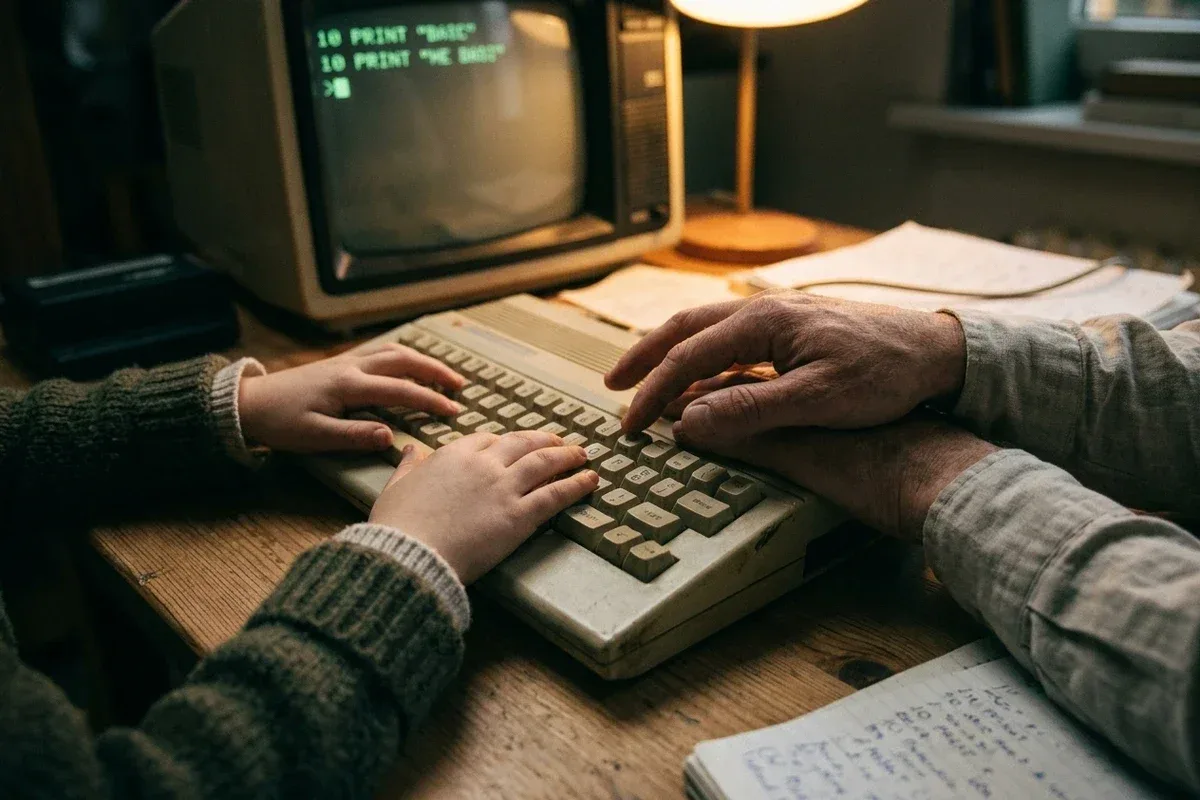
Most of what I know I learned by doing small, boring things badly while someone better watched. My dad let me type BASIC on his lap before I could really read the screen. Later, at work, I learned by writing the first version of something, getting it back covered in comments, and doing it again.
That first version is exactly the work AI does now. The research summary, the first draft, the boilerplate code, the slide nobody wants to make. It’s the apprentice work, and it was also how apprentices got good.
So I’m wondering where the next generation’s Dagobah is. If a junior never writes the bad first draft, who catches them when they’re confidently wrong, and how do they learn to spot it themselves?
What a mentor does that a tool doesn’t
A tool answers what you ask. A mentor notices what you didn’t ask, and says “not yet” when you’re sure you’re ready (Yoda was very annoying about this, and right). They also show you how they think, which you can’t get from a finished output, however good it is.
I use the tools all day, and some of my best work this year came out of them. But I’ve also seen what happens when the output arrives without the understanding underneath. You get something that looks right, and nobody in the room can tell you why.
Being somebody’s Yoda
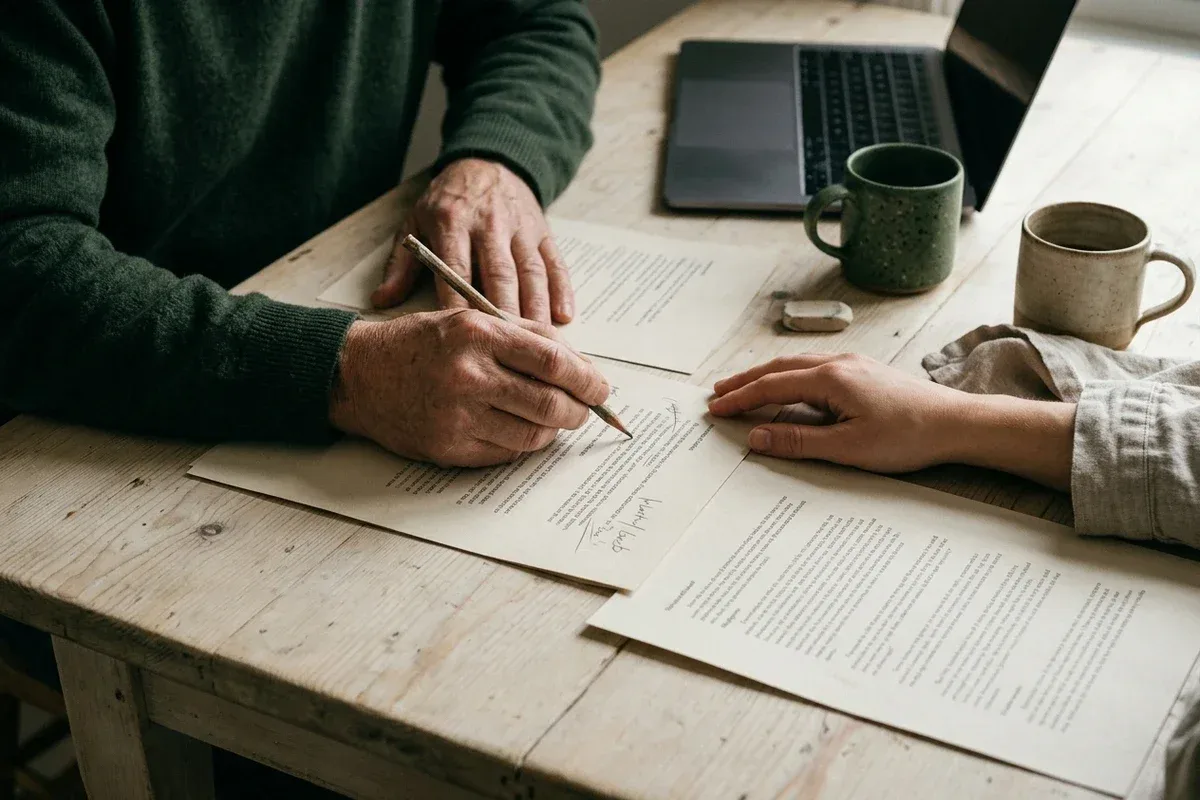
So I’ve started to think the real job for people like me, with a couple of decades of doing it badly first, is to sit next to someone who’s just been handed one and help them learn to hold it. Let them make the first version, even if a model could’ve made it in seconds. Read it, mark it up, give it back.
That’s slower, and nobody’s going to put it in a quarterly report. I don’t know yet what it looks like for a whole team, or if it even scales.
Who taught you to hold yours? 🌈